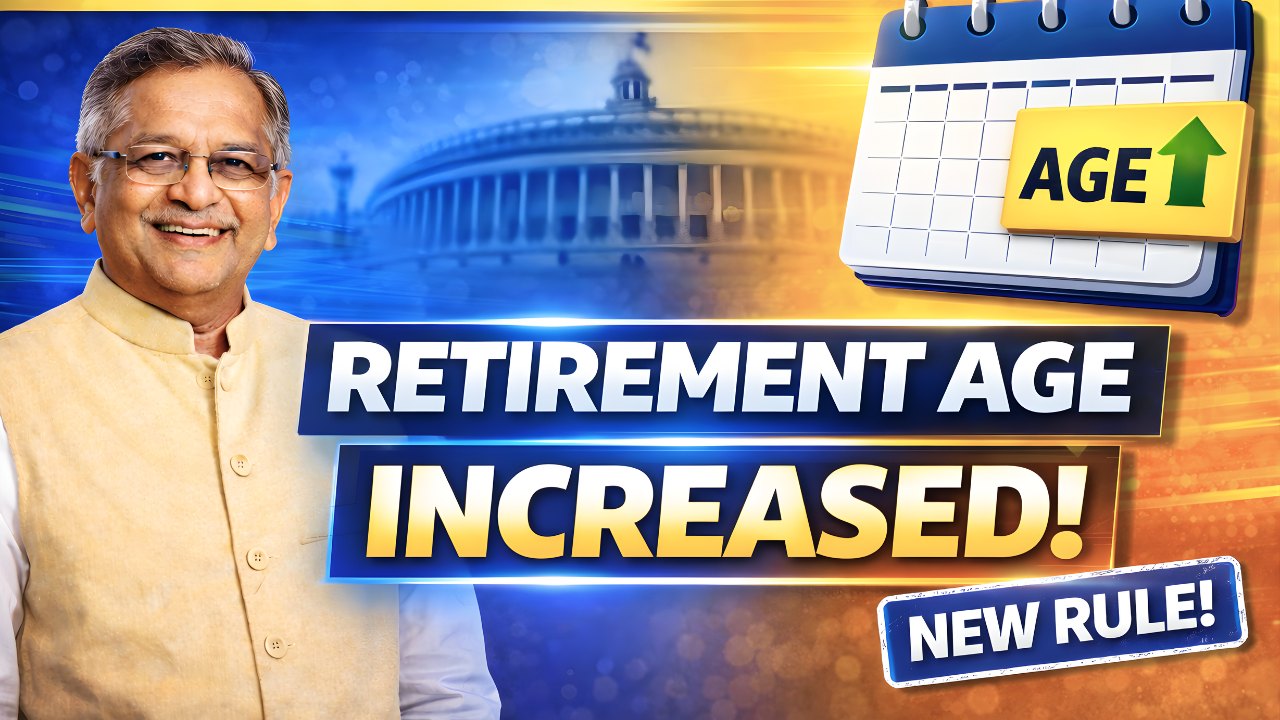
Retirement Age Increased: A recent court order increasing the retirement age has created widespread discussion among employees, employers, and policymakers. For many workers, retirement age is not just a number; it defines career planning, financial security, and personal life goals. When a court steps in and orders a change, the impact is immediate and far-reaching. Employees nearing retirement may feel relief, confusion, or even concern, while younger workers may start rethinking their long-term career paths. This article explains what such a decision means, why courts intervene in retirement age matters, and what employees must understand to prepare for the future.
Understanding the Court Order and Its Purpose
Courts usually intervene in retirement age policies when there are legal challenges related to fairness, discrimination, or inconsistency with constitutional or statutory provisions. In many cases, petitions are filed arguing that the existing retirement age is outdated, arbitrary, or not aligned with increasing life expectancy and improved health standards.
The court’s decision to increase the retirement age is often based on detailed analysis. Judges may consider economic conditions, workforce shortages, government policies, and international practices. The aim is generally to ensure equal treatment, administrative clarity, and long-term stability in employment systems. For employees, it is important to understand that such orders are not sudden or casual decisions but the result of prolonged legal scrutiny.
Who Will Be Affected by the Increased Retirement Age
The immediate impact is felt by employees who were close to retirement under the old rules. For them, the court order may mean additional years of service. This can be beneficial for those who want to continue working, earn a higher pension, or complete unfinished professional goals.

However, the decision also affects younger employees. Promotions and new recruitment opportunities may slow down temporarily because senior employees remain in service longer. Contract workers and temporary staff may also experience uncertainty, especially if their regularization plans were linked to expected retirements.
In some sectors, such as education, healthcare, and public administration, the impact is particularly significant because experience and continuity play a crucial role in service delivery.
Financial and Pension Implications for Employees
One of the biggest concerns for employees is how the increased retirement age will affect their salary, pension, and other retirement benefits. In most cases, working longer results in higher lifetime earnings and improved pension calculations. Additional years of service can increase gratuity amounts, provident fund contributions, and overall retirement savings.

At the same time, employees should carefully review service rules and pension schemes. Some benefits may have upper limits or specific conditions that do not automatically change with retirement age. It is advisable for employees to consult their HR departments or financial advisors to understand how the new age limit will influence their long-term financial planning.
Impact on Career Planning and Work-Life Balance
An extended working life requires a shift in mindset. Employees who were mentally prepared for retirement may need time to adjust to the idea of continuing in their roles. This can be positive if the work environment is supportive and offers opportunities for growth, learning, or flexible arrangements.
On the other hand, employees in physically demanding or high-stress jobs may find it challenging to work longer. In such cases, organizations may need to introduce role adjustments, lighter duties, or wellness programs to support aging employees. From a career planning perspective, individuals should reassess skill development, health priorities, and personal goals in light of the extended service period.

Employer Responsibilities After the Court Order
Once a court order increases the retirement age, employers are legally bound to implement it. This includes updating service rules, issuing official notifications, and ensuring that no eligible employee is forced to retire under the old age limit.
Employers must also manage workforce planning carefully. Training programs, performance evaluation systems, and succession planning may need revision. Transparent communication is essential to avoid confusion and rumors among staff. When employees clearly understand how the new rules apply to them, it helps maintain trust and morale within the organization.
Legal Clarity and Future Challenges
While a court order provides immediate legal clarity, it can also open the door to further debates. Questions may arise about retrospective application, applicability to different categories of employees, or alignment with existing laws and policies. In some cases, governments or organizations may seek further legal interpretation or issue supplementary guidelines.

Employees should stay informed through official circulars, court updates, and credible news sources. Relying on unofficial information can lead to misunderstandings about eligibility, timelines, or benefits.
What Employees Should Do Now
Employees should begin by carefully reading official notifications related to the increased retirement age. Understanding whether the change applies immediately or from a specific date is crucial. Maintaining proper service records, medical fitness documents, and performance appraisals can also help avoid administrative issues later.
It is equally important to focus on health and skill development. As working years increase, staying physically fit and professionally relevant becomes essential. Learning new technologies, updating skills, and adopting a balanced lifestyle can make the extended career phase more productive and fulfilling.

Conclusion
The increase in retirement age after a court order marks a significant shift in employment dynamics. While it brings opportunities for extended income, experience sharing, and financial security, it also requires adjustment and careful planning. Employees who stay informed, proactive, and adaptable will be best positioned to benefit from this change.
Rather than viewing the decision as a disruption, it can be seen as a chance to redefine career goals and contribute meaningfully for a longer period. With the right approach, the extended working life can become a phase of growth, stability, and renewed purpose.